What follows is an informed perspective on the forces shaping enterprise technology decisions across Nigerian organisations in 2026. It is not a forecast backed by survey data with specific percentage claims, those numbers date quickly and often mask more than they reveal. It is a practitioner's view, based on the conversations happening across sectors in Abuja, Lagos, and Port Harcourt, on the trends that are defining IT investment and operational priorities this year.
The technology landscape for Nigerian enterprises is maturing in real and visible ways. The questions organisations are asking have shifted from "should we adopt cloud?" and "do we need a cybersecurity policy?" to more sophisticated discussions about architecture, regulatory positioning, and how to build resilient infrastructure in an environment where grid power, FX volatility, and talent availability remain structural constraints.
1. Hybrid cloud is now the default architecture, not the aspiration
The debate about whether to adopt cloud computing is largely settled for large Nigerian enterprises. The active discussion has moved to how cloud is structured, specifically, how to balance public cloud services with on-premises infrastructure in a way that reflects the realities of the operating environment.
Latency to international cloud regions, data residency requirements under the NDPR, the cost of cloud egress in a high-FX-rate environment, and the need to maintain continuity when connectivity is unreliable all argue for a hybrid architecture. Pure public cloud is an attractive proposition in markets with stable connectivity and cheap bandwidth; in Nigeria, organisations are finding that a deliberate blend of cloud services and local infrastructure produces a better risk-adjusted outcome.
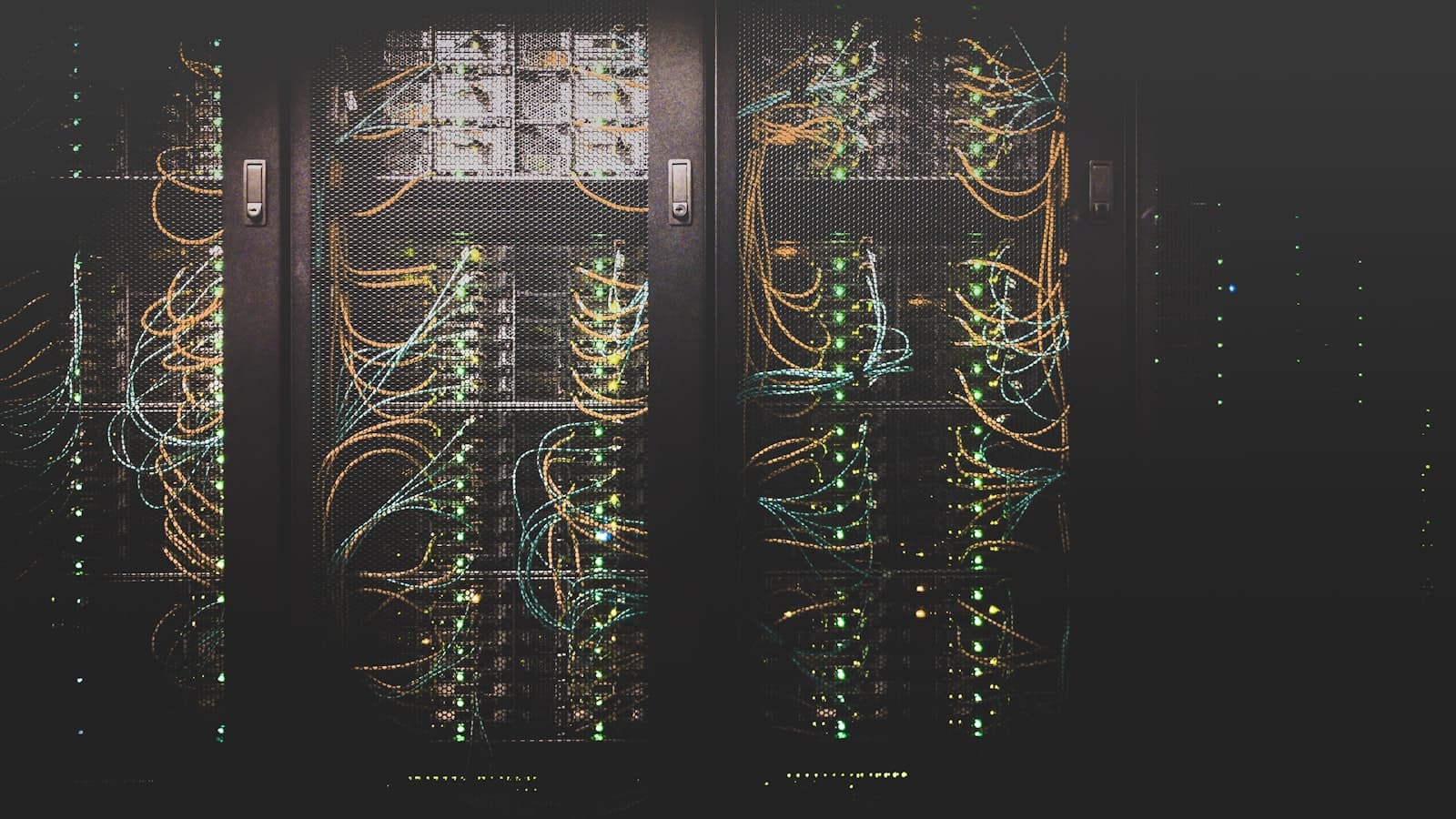
The practical implication is that infrastructure investment is not going away, it is being repositioned. On-premises infrastructure that hosts data-sensitive workloads, backup and disaster-recovery infrastructure with local copies, and private connectivity between offices are all components of an architecture that uses cloud for what cloud does well and local infrastructure for what it does better.
2. Cybersecurity is moving from checkbox to operational discipline
A few years ago, many Nigerian enterprises approached cybersecurity primarily as a compliance exercise, satisfying the requirements of a regulator or a large client without necessarily building the operational capability to detect, respond to, and recover from an actual incident. That posture is changing, driven by a threat environment that has become materially more active.
Ransomware targeting organisations across the continent, business email compromise affecting transactions at all scales, and supply-chain attacks that enter through third-party software are all part of the current threat landscape. The organisations that have treated cybersecurity as a checkbox are discovering that a policy document and an annual audit are not the same as the ability to respond when something goes wrong.
The shift in 2026 is towards operational security: endpoint detection and response, security information and event management, and, for organisations without the internal expertise to run these functions, managed security services that provide continuous monitoring. This shift is also visible in procurement conversations, where cybersecurity criteria are increasingly appearing alongside price and specification in supplier evaluation.
For Nigerian enterprises, the practical priority is establishing a baseline security posture that is maintained continuously rather than demonstrated periodically. The organisations that do this are building a durable competitive and regulatory advantage.
3. Power infrastructure investment is being treated as IT investment
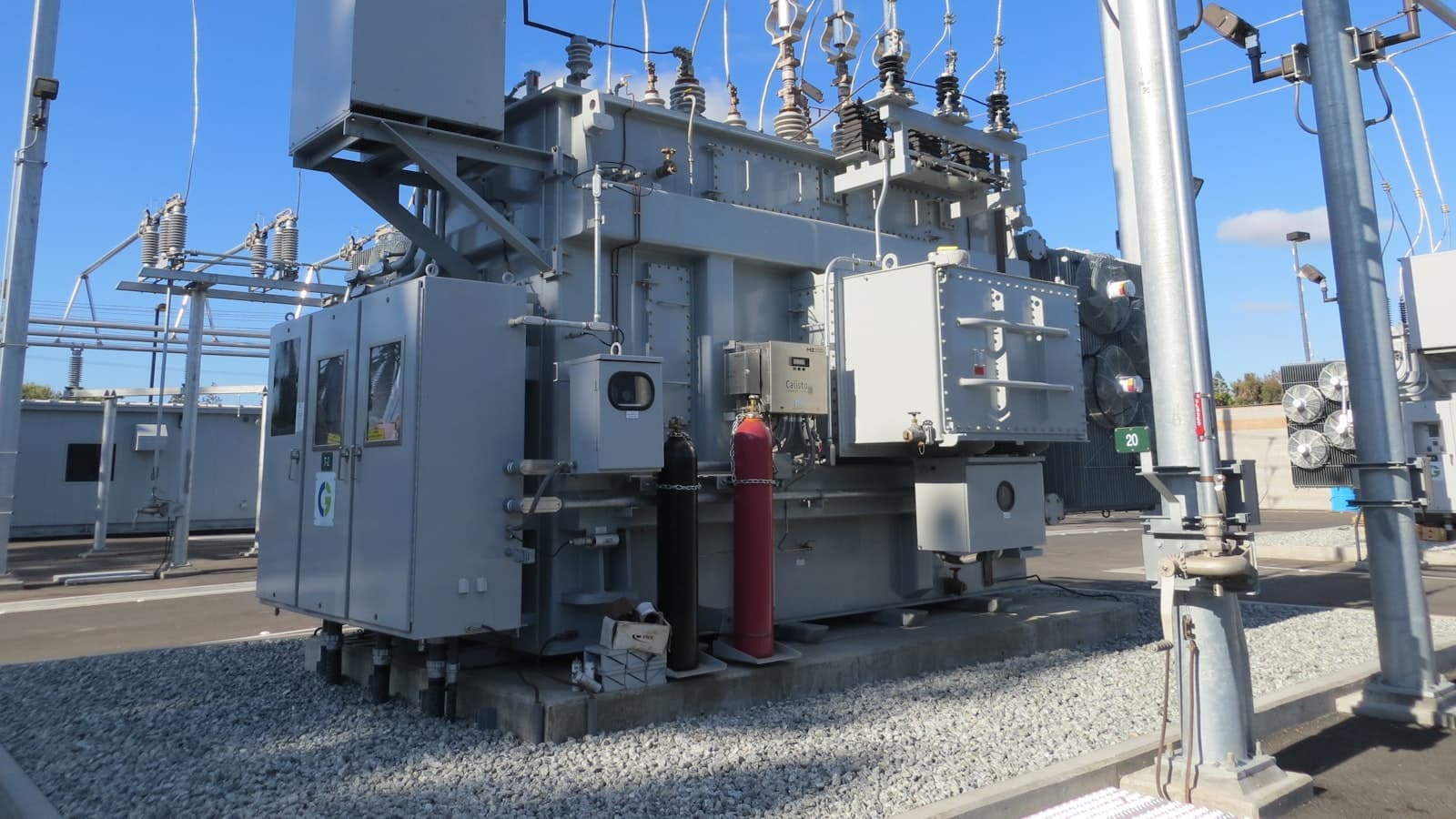
The relationship between power availability and IT operations has always been a structural issue in Nigeria. What has changed in 2026 is how it is being addressed. Organisations that previously treated power as a facilities problem are recognising that power infrastructure decisions, generator sizing, UPS specification, battery technology, solar hybrid systems, are IT decisions with direct implications for system availability, hardware lifecycle, and data centre economics.
This shift is producing a more sophisticated set of conversations around power investment. Rather than simply replacing a failed generator with the same model, organisations are asking whether the architecture that makes them dependent on that generator is the right long-term answer. Whether consolidating into a co-location facility, deploying a solar-battery hybrid system, or redesigning the network architecture to reduce the footprint of equipment requiring continuous power is a better approach.
The enterprise that treats power continuity as an IT infrastructure question, rather than a facilities afterthought, makes better technology decisions and carries less operational risk.
This is a trend worth watching because it connects two investment streams, power and technology, that have historically been managed separately, and because the outcomes of getting it right are material to uptime, security, and cost.
4. Data governance and NDPR compliance are moving into the mainstream
The Nigeria Data Protection Regulation has been in force for several years, but its operational implementation across organisations has been uneven. In 2026, the combination of more active enforcement posture, greater awareness among data subjects, and increasing contractual requirements from international partners and clients is accelerating compliance investment.
Organisations are finding that NDPR compliance is not a discrete project with an end date, it is an ongoing operational discipline. Data inventories need to be maintained as systems and processes change. Privacy impact assessments need to be part of the development and procurement process, not a retrospective exercise. Data processing agreements with vendors need to be in place and current.
For sectors already under sector-specific data and IT regulation, banking, healthcare, government, NDPR adds a layer rather than replacing existing requirements. The compliance burden is real, and organisations that build it into operating processes rather than treating it as a periodic audit exercise are managing it more efficiently.
5. IT talent and managed services are complementary, not competing
The availability of skilled IT talent in Nigeria has improved considerably, but demand has grown alongside supply. Enterprises are finding that for specialist functions, advanced security operations, network architecture, enterprise application administration, the market for experienced professionals is competitive and the turnover rate is high.
The response is not simply to pay more. Organisations are increasingly structuring their IT delivery model as a combination of a core internal team, responsible for strategic direction and business relationship management, and managed or outsourced provision for functions where sustained specialist depth is the requirement. This is not a concession, it is a deliberate operating model that allows the internal team to focus where it adds the most value.
The implication for IT leadership is that the skills the internal team needs most in 2026 are business analysis, vendor management, and technology architecture, the capability to specify, procure, and govern technology rather than to operate every component of it personally.
6. Procurement is taking longer and requiring more documentation
Supply chain conditions for technology hardware have stabilised somewhat from the disruptions of recent years, but procurement cycles for Nigerian enterprises remain longer and more complex than comparable international markets. Import logistics, customs clearance, currency controls, and limited local availability of some categories of specialised equipment all add lead time.
The practical response is to plan earlier. Organisations that need infrastructure in place for a business milestone in Q3 need to be initiating procurement in Q1 at the latest. Organisations that approach IT procurement through a structured partner with established supplier relationships and experience managing import logistics consistently manage this complexity better than those sourcing ad hoc.
Frequently asked questions
Is cloud adoption in Nigeria accelerating or plateauing?
Cloud adoption continues to grow, but the nature of what is being adopted is changing. Early adoption was often driven by relatively simple use cases, email, file storage, collaboration tools. The current phase involves more complex workloads, more careful architecture decisions, and more attention to the regulatory implications of where data resides and how it is processed. This is a maturing of the adoption curve, not a plateau.
How are Nigerian banks and financial institutions approaching cybersecurity differently from other sectors?
Financial services organisations carry both the highest regulatory requirements and the highest financial incentive for attackers. The CBN's cybersecurity frameworks, combined with the sector's exposure to fraud and its reputational sensitivity to breaches, have produced a more mature security posture in banking than in most other sectors. The gap between banking and other sectors remains significant, though other highly regulated sectors, healthcare, government, are closing it.
What should organisations do if they are behind on NDPR compliance?
Begin with a data inventory: what personal data does the organisation collect, store, and process, and on what legal basis? This is the foundation on which everything else is built. From there, prioritise the highest-risk gaps, data subject rights processes, breach notification procedures, and data processing agreements with third parties, before working through the full compliance framework. Engaging legal counsel with NDPR expertise and an IT partner who can implement the technical controls is more efficient than attempting to manage the process internally without that expertise.
Is 2026 a good time to invest in IT infrastructure given economic uncertainty?
This framing, waiting for certainty before investing in infrastructure, produces organisations that are consistently under-invested relative to their needs, because certainty is not a condition that arrives and stays. The relevant question is not whether the economic environment is certain, but whether the infrastructure investment is essential to the organisation's operational continuity and growth. Infrastructure that is genuinely necessary does not become less necessary because the economy is uncertain, it becomes more expensive to defer.